Ukraine Strikes Oil Facilities in Occupied Crimea, Fuel Sales Cease
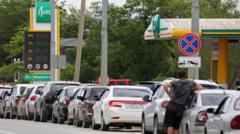
Fuel Sales Halted Following Strategic Ukrainian Operations
The suspension of fuel sales in occupied Crimea represents a significant escalation in Ukraine's military campaign targeting Russian-controlled energy infrastructure. Fuel sales in the region have come to a complete standstill as Ukrainian forces continue their coordinated strikes against critical oil facilities that support Russian military operations in the peninsula.
This development underscores the effectiveness of Kyiv's strategy to disrupt logistical networks supporting the occupation. The closure of fuel distribution points demonstrates the mounting pressure on Russian supply systems in the contested territory.
Rationing and Supply Chain Disruptions
Prior to the complete suspension of fuel sales, residents and military personnel in occupied Crimea had already experienced severe fuel rationing. These restrictions stemmed from widespread shortages created by Ukraine's systematic targeting of key supply routes that connect Russian-occupied territories to fuel distribution networks.
The shortages reflect months of cumulative damage to critical infrastructure. Ukrainian military operations have methodically degraded Russia's ability to maintain consistent fuel deliveries across occupied regions, creating cascading logistical challenges that extend beyond Crimea itself.
Strategic Impact on Russian Operations
Energy infrastructure targeting has become a cornerstone of Ukraine's asymmetric warfare approach. By concentrating attacks on fuel facilities and distribution networks, Kyiv aims to undermine the operational capacity of Russian forces while simultaneously imposing hardship on the civilian population under occupation.
The fuel sales cessation in Crimea indicates that critical supply facilities have sustained sufficient damage to prevent normal commercial operations. This disruption affects both military logistics and civilian access to essential resources, creating pressure on the occupation administration.
Broader Context of Infrastructure Warfare
Ukraine's campaign against oil facilities in occupied territories forms part of a larger strategy to degrade Russia's war-fighting capability. Attacks on fuel supplies have far-reaching consequences, affecting vehicle operations, electricity generation, and heating systems throughout occupied regions.
The targeting of these strategic assets reflects Ukraine's recognition that degrading energy infrastructure is essential to constraining Russian military mobility and sustainability. Each successful operation compounds existing supply chain vulnerabilities, forcing Russian logistics commanders to adapt constantly.
Civilian and Economic Consequences
The fuel sales suspension carries severe humanitarian implications for residents in occupied Crimea. Without access to commercial fuel supplies, transportation, heating, and essential services become increasingly scarce, placing additional strain on civilian populations caught between occupying forces and Ukrainian military action.
The economic dimensions are equally significant, as fuel shortages disrupt normal commercial activity and force businesses to curtail operations or close entirely. This economic stagnation further complicates the occupation administration's ability to maintain control and legitimacy within occupied territories.
Russian Response and Countermeasures
Russian authorities have attempted to mitigate fuel shortages through alternative supply arrangements and emergency rationing protocols. However, the persistent threat of Ukrainian strikes makes any long-term supply solution precarious, forcing Russian planners to continuously assess and reassess their logistical strategies.
The occupation administration faces mounting pressure to restore fuel availability while simultaneously protecting critical infrastructure from further damage. This dilemma highlights the strategic dilemma facing Russian forces in occupied regions where defensive capabilities remain limited against Ukrainian aerial and long-range operations.
Looking Ahead
The halt in fuel sales in occupied Crimea signals the intensifying pressure on Russian supply networks throughout captured territories. As Ukraine refines its targeting strategy and acquires additional capabilities for long-range strikes, the vulnerability of Russian energy infrastructure will likely continue as a focal point of military operations, shaping the broader trajectory of the conflict.


