Tragic Helicopter Collision in Greece Claims Two Firefighting Crew Lives
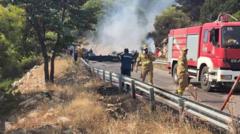
Firefighting Helicopter Collision Claims Two Lives in Greece
A tragic helicopter collision in Greece during aerial firefighting operations has resulted in the deaths of two crew members. The incident, which unfolded during active firefighting efforts, left rescue teams responding to a devastating aviation accident. Among those involved were personnel from multiple nationalities, highlighting the international cooperation in Greece's emergency response capabilities.
Victims and Survivors Identified
The collision claimed the lives of one Danish national and one Greek national who were aboard the aircraft during the helicopter collision in Greece. Emergency services moved swiftly to assess the situation and provide assistance to survivors. A British pilot and another Greek crew member managed to survive the impact, though details regarding their conditions remain under investigation by aviation authorities.
Circumstances of the Accident
The helicopter collision in Greece occurred while both aircraft were actively engaged in firefighting operations. The exact cause of the collision remains under scrutiny by aviation safety officials. Preliminary investigations suggest the aircraft came into contact during coordinated firefighting efforts, though a comprehensive analysis is ongoing. Such incidents underscore the inherent risks faced by helicopter crews operating in challenging aerial conditions during emergency response situations.
Emergency Response and Investigation
Greek authorities immediately mobilized rescue teams upon receiving reports of the collision. The response involved coordinating multiple emergency services to locate the aircraft and provide assistance to survivors. Aircraft wreckage was recovered, and investigators began examining the debris to determine the sequence of events leading to the helicopter collision in Greece. The investigation will include analysis of pilot communications, weather conditions, and operational protocols.
Impact on Firefighting Operations
The incident has raised important questions about aerial firefighting safety measures and coordination protocols. Firefighting helicopter operations in Greece play a critical role during wildfire season, when crews operate under intense time pressure and challenging atmospheric conditions. This tragic helicopter collision in Greece serves as a reminder of the dedication and risks undertaken by aviation professionals during emergency operations. Authorities are reviewing procedures to enhance safety measures for future operations.
International Cooperation in Crisis Response
The presence of international crew members in the aircraft demonstrates Greece's reliance on international partnerships for emergency response capabilities. Many European nations contribute resources and personnel to assist Greece during peak wildfire seasons. The loss of the Danish and Greek nationals represents a significant blow to the multinational emergency response community. Their contributions to firefighting operations are being recognized by international aviation organizations and emergency management authorities.
Aviation Safety Concerns
This helicopter collision in Greece adds to ongoing concerns about aviation safety in emergency operations. Helicopter crews frequently operate in low-visibility conditions, challenging terrain, and coordinated maneuvers that increase operational complexity. The incident has prompted discussions among aviation safety experts regarding enhanced communication systems, improved radar technologies, and better coordination protocols for multiple aircraft operating in proximity during emergency response missions.


