Trump Denies US Military Weapons Shortage Amid Supply Concerns
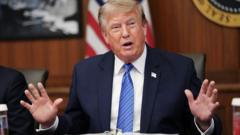
Trump Addresses US Military Weapons Shortage Claims
In a recent statement, former President Donald Trump has forcefully denied allegations regarding a US weapons shortage, while simultaneously announcing an aggressive campaign to identify and prosecute individuals responsible for leaking sensitive military information. Trump's position on the US weapons shortage represents a significant point of contention in ongoing debates about American military readiness and defense capabilities.
The Nature of Classified Defense Data
While comprehensive data regarding the US weapons shortage remains classified due to national security concerns, publicly accessible information reveals a more complex picture of American military inventory management. Intelligence analysts and defense experts have noted that the United States has expended substantial quantities of sophisticated armaments in recent military operations and strategic commitments abroad.
The difficulty in manufacturing certain weapon systems means that rapid depletion of existing stockpiles presents genuine logistical challenges. Advanced munitions, precision-guided systems, and specialized defense equipment require extensive production timelines and substantial investment in manufacturing infrastructure. This reality underscores why discussions surrounding US weapons shortage have gained prominence among defense policymakers and military strategists.
Trump's Statement on Information Leakers
Trump emphasized that individuals responsible for disclosing classified information about the US weapons shortage and other sensitive defense matters would face serious consequences. He characterized these leakers as threats to national security and pledged that his administration would dedicate resources to identifying and prosecuting them with maximum intensity.
This rhetoric reflects broader concerns about information security within defense establishments and government agencies. The unauthorized disclosure of data concerning military capabilities, supply chains, and strategic vulnerabilities can potentially compromise national security interests and provide adversaries with valuable intelligence.
Manufacturing Challenges and Military Readiness
The production of advanced weaponry involves complex supply chains, specialized manufacturing facilities, and highly trained technical personnel. When the US weapons shortage becomes a pressing issue, it highlights the vulnerability of defense industrial capacity to sustained operational demands. Recent military commitments have accelerated consumption rates of inventory, straining production facilities that were designed for peacetime output levels.
Defense contractors and military planners have increasingly emphasized the need for expanded manufacturing capacity. The timeline for producing sophisticated defense systems—sometimes spanning years from design through final delivery—means that addressing a US weapons shortage requires strategic planning and sustained investment.
Classification and Public Awareness
The inherent tension between national security classification requirements and public information access complicates public understanding of military readiness. While the most sensitive details remain restricted to authorized personnel with appropriate security clearances, declassified and publicly available assessments provide insight into broader trends affecting defense capabilities.
Military analysts studying available data have documented significant consumption of difficult-to-manufacture weapons systems, suggesting that stockpile management represents an ongoing strategic consideration for Pentagon planners and defense leadership.
Implications for Defense Policy
Trump's denial of serious US weapons shortage concerns and his emphasis on prosecuting information leakers represent two distinct but related aspects of defense governance. Both reflect fundamental questions about military preparedness, classified information protection, and the appropriate balance between transparency and security in democratic societies.
As the United States continues to allocate substantial resources to military operations and strategic commitments globally, the question of weapons availability and manufacturing capacity will remain central to defense planning and budgetary discussions. The allegations regarding US weapons shortage, whether confirmed or contested, underscore the importance of robust defense industrial capacity and strategic foresight in military planning.


