Trump Administration Restricts Chinese Humanoid Robots Imports
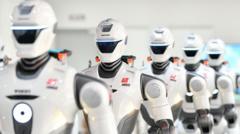
Trump Administration Enforces Ban on Chinese Humanoid Robots
In a significant move reshaping the global technology landscape, the Trump administration has implemented comprehensive restrictions on Chinese humanoid robots entering American markets. This Chinese humanoid robots ban represents an escalation in the intensifying competition between the United States and China for dominance in advanced robotics and artificial intelligence technologies.
The Strategic Context Behind the Restrictions
The contemporary geopolitical environment has positioned robotics and artificial intelligence as critical domains of technological supremacy. Both nations have invested heavily in research, development, and commercialization of sophisticated automated systems designed to revolutionize manufacturing, healthcare, logistics, and consumer applications.
The Trump administration's decision to restrict humanoid robots China imports stems from broader national security concerns regarding intellectual property protection, supply chain independence, and technological self-sufficiency. Officials argue that allowing unrestricted access to Chinese robotics technology poses risks to American innovation ecosystems and manufacturing capabilities.
Implications for the US-China AI Competition
The ban reinforces the emerging protectionist framework governing the US China AI competition. Both superpowers recognize that dominance in artificial intelligence and robotics will determine economic and military superiority throughout the twenty-first century. China has positioned itself as a formidable competitor, producing increasingly sophisticated humanoid systems capable of performing complex tasks across multiple sectors.
American technology companies and research institutions have expressed varied responses to this policy. Some applaud the protective measures as necessary safeguards for domestic innovation, while others worry about retaliatory actions from Beijing that could restrict American exports and harm international collaboration.
Understanding Trump Administration Robots Policy
The Trump administration robots policy extends beyond simple import restrictions. It encompasses broader initiatives designed to accelerate American robotics development, incentivize domestic manufacturing, and attract talent to American research institutions. Government incentives and partnerships with private sector leaders aim to establish American technological leadership in this crucial domain.
The policy framework includes enhanced research funding, streamlined approval processes for domestic robotics companies, and potential tax incentives for manufacturers choosing to establish or expand operations within United States borders. These complementary measures seek to create advantages for American enterprises while simultaneously erecting barriers against foreign competition.
Global Robotics Market Dynamics and Disruption
The restriction of humanoid robots China from American markets introduces considerable uncertainty into global supply chains and international technology partnerships. Companies with diversified manufacturing bases across multiple countries now face complex compliance challenges. The decision disrupts established relationships between American importers and Chinese manufacturers who have built substantial business networks over recent decades.
Market analysts predict potential consolidation within the robotics sector as companies reorganize operations and establish alternative sourcing arrangements. Some may relocate manufacturing to permitted jurisdictions or invest more heavily in domestic production capabilities. The ban creates opportunities for American robotics manufacturers to capture market share previously held by Chinese competitors.
Broader Robotics Policy Restrictions and Future Outlook
The current robotics policy restrictions represent merely the initial phase of anticipated technological decoupling between American and Chinese markets. Additional regulations addressing software, semiconductors, and related technologies appear likely as the administration develops more comprehensive frameworks governing foreign technology access.
Industry observers suggest this restrictive approach may provoke reciprocal measures from Beijing, potentially limiting American companies' access to Chinese markets and supply chains. The long-term consequences of this technological fragmentation remain uncertain, though most analysts expect continued escalation of competitive measures from both sides.
Conclusion: Reshaping Global Technology Competition
The Trump administration's ban on Chinese humanoid robots marks a pivotal moment in the evolving relationship between technological innovation and national policy. As both nations accelerate their robotics capabilities and artificial intelligence development, competitive pressures will likely intensify. This restrictive stance reflects fundamental decisions about protecting domestic industries while investing aggressively in indigenous technological advancement, establishing parameters that will define international technology competition for years to come.


