Train Collision in Bedford Leaves One Dead and 100 Injured
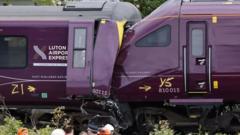
Bedford Train Crash Claims Life of Train Driver
A devastating Bedford train crash has resulted in the death of a train driver and left approximately 100 people injured in its aftermath. Among those affected, nine individuals remain in critical condition as emergency services continue their response to the incident. The collision has prompted an immediate investigation by British Transport Police, who are working to determine the exact circumstances that led to this catastrophic event on the rail network.
The train crash occurred at a busy rail junction in Bedford, creating a major incident that required a coordinated emergency response from multiple agencies. Paramedics, fire services, and police officers rushed to the scene to provide immediate medical assistance to the injured passengers and railway staff. The severity of the collision resulted in significant structural damage to both trains involved, with rescue teams working to free individuals trapped in the wreckage.
Emergency Response and Medical Treatment
First responders established a triage system at the scene to manage the large number of casualties effectively. The nine individuals reported in critical condition were prioritized for immediate transportation to regional trauma centers equipped to handle severe injuries. Hospitals across the area activated their major incident protocols to accommodate the influx of injured passengers requiring urgent medical care.
Medical teams provided on-site treatment for minor injuries while coordinating the rapid evacuation of those needing hospitalization. The coordination between local emergency services and the National Health Service ensured that critical patients received life-saving interventions without delay. Paramedics' swift action in the first minutes following the collision likely prevented additional fatalities among the injured passengers.
British Transport Police Investigation
British Transport Police has assumed lead responsibility for investigating the circumstances surrounding the Bedford train crash. Specialist investigators will examine track conditions, train maintenance records, weather conditions, and signaling systems to determine contributing factors. Witness statements from survivors, railway staff, and emergency responders will be collected to reconstruct the precise sequence of events that preceded the collision.
The investigation will also include a thorough examination of both trains' data recorders, which capture vital information about speed, braking, and system performance immediately before impact. Railway experts will work alongside police officers to assess whether mechanical failure, human error, or external factors played a role in the accident. The findings from this comprehensive investigation will be crucial for implementing safety measures to prevent similar incidents.
Impact on Rail Services and Passenger Safety
The train collision has raised important questions about passenger safety protocols and rail infrastructure maintenance. Network Rail, the organization responsible for managing the rail network, will conduct its own safety review in coordination with the police investigation. This comprehensive assessment may lead to recommendations for enhanced safety measures at busy rail junctions.
Rail operators have issued statements expressing sympathy for those affected by the incident and committing to full cooperation with the investigation. The critical condition of nine survivors underscores the potential dangers inherent in rail transport and the importance of continued investment in safety technology. Modern signaling systems, automatic train protection systems, and regular infrastructure inspections are essential components of rail safety that may be reviewed following this incident.
Support for Victims and Survivors
Support services have been mobilized to assist passengers and staff affected by the Bedford train crash. Counseling services and victim support organizations are providing mental health assistance to those traumatized by the experience. The railway company has established a helpline for family members seeking information about injured passengers and a dedicated support team to coordinate with hospitals and medical facilities.
Survivor accounts describe the terrifying moments of impact and the subsequent rescue efforts that saved lives. Many passengers suffered injuries ranging from minor fractures to severe trauma, with the injured passengers now receiving ongoing medical treatment and rehabilitation services. Long-term psychological support will be available to all affected individuals as they recover from this traumatic event.


