Summer Dress Code Rights: What Can Your Boss Tell You to Wear?
Understanding Summer Dress Code Policies
When temperatures rise, the question of summer dress code becomes increasingly important for employees navigating their professional responsibilities. A summer dress code establishes guidelines that employers implement to maintain workplace standards while acknowledging seasonal conditions. These policies vary significantly across different industries and organizations, creating confusion about what constitutes appropriate seasonal workplace attire.
Many workers wonder whether their boss has legitimate authority to dictate their summer clothing choices. The answer depends on various factors, including company policies, industry standards, and applicable labor laws. Understanding the legal boundaries and practical expectations surrounding summer dress code can help employees balance comfort with professionalism.
Legal Boundaries of Employer Authority
Employers generally possess the right to establish reasonable dress code standards for their workplace. However, this authority has important limitations under employment law. Any summer dress code must comply with anti-discrimination statutes and cannot target employees based on protected characteristics such as race, gender, religion, or disability status.
What Employers Can Require
Organizations can enforce policies requiring professional appearance standards during summer months. Acceptable requirements typically include maintaining neat and clean appearance, avoiding excessively casual clothing, and adhering to safety standards. Common summer dress code restrictions prohibit items like athletic wear, pajamas, or clothing with offensive language, regardless of the season.
Employers may also restrict certain items in specific work environments. Healthcare facilities, for example, can require particular dress standards for infection control and patient safety reasons. Similarly, customer-facing positions often have stricter appearance guidelines than behind-the-scenes roles.
What Employers Cannot Require
Despite having authority over dress codes, bosses cannot implement policies that disproportionately affect certain groups or create hostile work environments. Gender-specific summer dress code rules often face legal challenges because they may constitute sex discrimination. For instance, requiring women to wear skirts while permitting men to wear pants creates an unequal standard.
Additionally, dress codes cannot force employees to violate their religious beliefs or cultural practices. An employee whose faith requires modest dress must receive accommodation for a summer dress code that conflicts with these requirements.
Practical Strategies for Summer Professional Style
Balancing Comfort with Professionalism
Navigating a summer dress code successfully involves selecting clothing that keeps you cool while maintaining professional standards. Breathable fabrics like cotton, linen, and moisture-wicking materials allow air circulation without sacrificing workplace appropriateness. Light-colored clothing reflects heat more effectively than dark colors, providing both comfort and professional appearance during hot weather months.
Strategic layering enables temperature flexibility in air-conditioned offices. A lightweight cardigan or structured blazer can transform casual pieces into professional outfits while allowing easy adjustment as indoor temperatures vary. This approach helps employees who work in multiple environments maintain consistency with summer dress code expectations.
Appropriate Summer Clothing Options
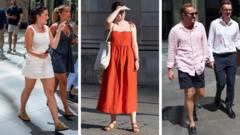
Well-tailored shorts in neutral colors paired with structured tops represent acceptable summer office wear in many modern workplaces. Maxi skirts and lightweight trousers offer professional alternatives that provide temperature relief. Closed-toe sandals with supportive soles maintain a polished appearance while offering ventilation compared to enclosed shoes.
Sleeveless tops and strappy shirts can work within professional contexts when paired appropriately with structured outerwear or when meeting specific industry standards. The key consideration involves ensuring overall outfit composition conveys professionalism rather than evaluating individual pieces in isolation.
Industry-Specific Considerations
Different sectors maintain varying expectations regarding summer dress code standards. Creative industries like advertising and technology often embrace casual summer practices, allowing employees greater flexibility. Traditional sectors such as finance, law, and corporate management typically maintain stricter summer dress code requirements emphasizing formal business attire.
Client-facing positions generally require more conservative summer dress codes than internal-only roles. Employees regularly meeting with external stakeholders should maintain appearance standards that reinforce professional credibility and company image.
Communicating with Management
When uncertainty exists about summer dress code acceptability, direct communication with management clarifies expectations. Rather than testing boundaries, employees benefit from asking supervisors specifically which summer clothing items meet company standards. This proactive approach prevents misunderstandings and demonstrates respect for workplace policies.
If a summer dress code seems unreasonable, discriminatory, or impossible to follow, employees should document concerns and discuss them with human resources. Many organizations modify policies when employees demonstrate legitimate practical or health concerns related to existing standards.
Conclusion
Your boss possesses legitimate authority to establish and enforce summer dress code policies, but this authority exists within legal and ethical boundaries. Employees can typically achieve comfortable summer workplace style by selecting breathable, professional pieces that align with company expectations. Understanding both your rights and employer authority enables you to dress for success while enjoying the benefits of appropriate seasonal clothing.


