Spain Tightens Border Controls Against Italy Over Ceuta Migration Crisis
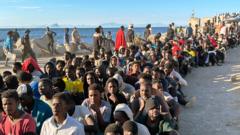
Spain Reinforces Border Controls Amid Ceuta Migration Dispute
Escalating tensions between Spain and Italy have prompted Madrid to implement stricter border control measures in response to a significant surge of arrivals in the Spanish autonomous city of Ceuta. The decision to reinforce Spain border controls Italy reflects growing concerns over the scale of population movements affecting the region and represents a critical development in ongoing migration policy debates across Southern Europe.
The Scale of the Ceuta Migration Influx
The Ceuta migration crisis has reached unprecedented levels, with approximately 78,000 migrants crossing from neighboring Morocco into the Spanish enclave. This substantial influx has strained local resources and infrastructure, prompting Spanish authorities to seek coordinated responses with neighboring nations. The migration patterns underscore broader challenges facing Mediterranean border regions as transit routes remain active despite previous enforcement efforts.
Italy's Previous Actions and Diplomatic Response
Italy had previously introduced its own border controls following the wave of arrivals affecting Ceuta, establishing a precedent for bilateral security measures in the region. This action by Italian authorities, combined with Spain's new initiatives, demonstrates how individual member states are addressing migration pressures through unilateral border management strategies. The decision highlights tensions within European Union protocols regarding shared responsibility for migration handling across the continent.
Underlying Causes of the Migrant Influx Morocco
The migrant influx Morocco represents complex socioeconomic dynamics, including economic disparities, political instability in originating nations, and established transit networks. Morocco's geographic proximity to Ceuta makes it a natural transit point for individuals seeking entry into European territory. Many migrants originate from sub-Saharan African nations facing economic hardship, armed conflict, or limited employment opportunities, driving them toward European destinations.
Impact on Local Infrastructure and Services
The unprecedented arrival of 78,000 individuals has created substantial demands on Ceuta's public services, housing facilities, and administrative systems. Local authorities report challenges in processing, screening, and accommodating the migrant population, with camps and reception centers operating at or beyond maximum capacity. Healthcare systems have experienced increased pressure, alongside educational and social services designed to support vulnerable populations including unaccompanied minors.
Spanish Border Security Enhancement Measures
Spain's border security measures include increased personnel deployment, advanced technological surveillance systems, and coordinated checkpoints at critical crossing points. The Spanish government has allocated additional resources to frontline enforcement agencies responsible for monitoring movement between Ceuta and Morocco. These Spanish border security initiatives aim to regulate population flows while maintaining humanitarian standards for vulnerable migrants.
European Union Framework and Member State Coordination
The Italy Spain tensions reflect broader debates regarding burden-sharing within the European Union's migration management system. Member states have expressed divergent positions on responsibility allocation and resource distribution, creating diplomatic friction. EU officials have emphasized the necessity for coordinated responses rather than isolated national policies, though individual nations continue implementing unilateral measures to address immediate pressures.
International Humanitarian Considerations
Despite security concerns, international humanitarian organizations emphasize the need for balanced approaches respecting migrant rights and dignified treatment. The scale of arrivals requires comprehensive responses addressing both security imperatives and humanitarian obligations under international law. NGOs operating in Ceuta report witnessing vulnerable populations, including children and trafficking victims, requiring specialized support services.
Future Outlook and Potential Solutions
Moving forward, addressing the Ceuta migration crisis will likely require coordinated efforts between Spain, Italy, Morocco, and European Union institutions. Potential approaches include improved border management technology, expanded legal migration pathways, and enhanced cooperation with origin countries to address root causes. The situation remains fluid, with authorities monitoring developments and adjusting policies accordingly to balance competing priorities of security, humanity, and administrative capacity.


