South-West France Faces New Wildfire Crisis Amid 40C Heat
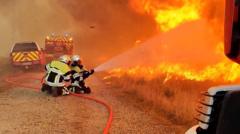
Escalating Wildfire Threat in South-West France
The south-west France region is confronting an increasingly dangerous wildfire situation as meteorological forecasts predict an imminent surge in temperatures. A significant 40C heatwave is expected to sweep through the area, creating unprecedented challenges for emergency response teams attempting to manage the ongoing blazes affecting communities across the region.
Wildfires in south-west France have already consumed vast territories, with the Gironde department emerging as a critical hotspot. Fire management authorities are implementing comprehensive strategies to address the immediate threats, though weather conditions continue to deteriorate. The combination of existing fire activity and rapidly rising temperatures creates a complex operational environment requiring coordinated regional efforts.
Critical Weather Forecast and Emergency Preparations
Meteorological agencies have issued stern warnings regarding temperature escalation expected on Wednesday. The anticipated 40C conditions represent a substantial increase that will fundamentally alter firefighting operations and resource allocation. Emergency services acknowledge that the approaching heatwave will substantially complicate wildfire containment efforts across affected territories.
Firefighters throughout the region are intensifying preparation protocols in advance of the temperature surge. These measures include strategic positioning of equipment, reinforcement of personnel at critical zones, and optimization of water resource distribution systems. The timing of the heatwave poses particular concerns, as elevated temperatures typically accelerate fire spread rates and intensify existing conflagration dynamics.
Operational Challenges During Extreme Heat
The convergence of active wildfires in south-west France with extreme heat conditions creates a multifaceted crisis scenario. Firefighting operations become progressively more complicated when temperatures reach such elevated levels. Personnel face severe physical strain, equipment functionality may be compromised, and rapid atmospheric moisture loss accelerates combustion processes across affected landscapes.
Regional authorities have mobilized additional resources from neighboring departments to augment existing firefighting capacity. These supplementary units include ground-based fire brigades, aerial support assets, and specialized hazmat response teams. Coordination between multiple jurisdictions ensures comprehensive coverage across vulnerable zones in Gironde and surrounding areas.
Community Impact and Evacuation Status
Residents throughout south-west France remain vigilant regarding developing situations in their immediate vicinity. Local authorities have established comprehensive emergency communication channels to facilitate rapid dissemination of evacuation orders if necessary. Communities near fire perimeters have been advised to maintain readiness for potential relocation, though current evacuation protocols remain fluid based on changing fire behavior patterns.
Public infrastructure, including transportation networks and utility systems, faces potential disruption from spreading wildfires. Emergency management teams coordinate with municipal authorities to maintain essential services while prioritizing life safety considerations. Communication systems have been enhanced to ensure residents receive timely updates regarding atmospheric conditions and fire progression.
Broader Climate Context and Long-Term Implications
These escalating wildfire events in south-west France reflect broader environmental trends affecting Mediterranean regions. Recurring heatwave episodes, combined with prolonged drought conditions, have created increasingly conducive environments for large-scale fire propagation. Forestry management authorities continue analyzing patterns to develop enhanced prevention and response strategies.
The anticipated 40C heatwave represents another extreme weather manifestation that challenges regional resilience capabilities. Climate adaptation initiatives are becoming increasingly critical for communities vulnerable to such recurring phenomena. Long-term planning must incorporate lessons from current emergency response operations to strengthen future preparedness.


