Seeds of Peace: Young Voices Build Bridges Devon
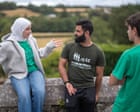
Breaking Barriers: A Historic Gathering in Rural Devon
Seeds of Peace brings together young people from some of the world's most divided communities to a picturesque countryside location in Devon. For the first time in its decades-long history, the United Kingdom is hosting this transformative initiative, welcoming participants whose families and nations have endured prolonged conflict and tension.
The summer camp setting masks the profound work occurring beneath the surface. While participants engage in typical summer activities—volleyball matches under sunny skies, creative arts and crafts sessions within the hall, and preparations for evening entertainment—genuine dialogue and reconciliation efforts form the cornerstone of their experience. These are not ordinary teenagers at an ordinary camp; they represent young ambassadors from communities separated by historical grievances and ongoing disputes.
Participants From World's Hotspots
The gathering includes young people with direct connections to some of the globe's most intractable conflicts. Attendees hail from Israel and Palestine, where generations have lived with territorial disputes and violence. Others come from India and Pakistan, nations whose relationship has been strained by partition legacies and regional tensions. This diverse representation creates an unprecedented opportunity for dialogue across the divides that typically separate these communities.
What makes this Devon gathering particularly significant is not merely the geographical diversity of participants, but their willingness to engage. Many of these teenagers have lived experiences shaped by conflict—they may have family members affected by violence, or grew up in communities defined by long-standing tensions with neighboring populations. Yet they have chosen to attend Seeds of Peace, demonstrating remarkable courage and openness.
The Power of Intensive Dialogue
Behind the recreational activities and casual appearances, Seeds of Peace operates through carefully structured dialogue sessions. These intensive discussions create spaces where young people can share perspectives, challenge stereotypes, and develop understanding across traditional dividing lines. Facilitators trained in conflict resolution guide conversations that might otherwise seem impossible—Israelis and Palestinians discussing shared futures, Indians and Pakistanis exploring common ground.
The program's methodology recognizes that peace-building must begin with youth who will inherit the consequences of current conflicts. Rather than waiting for political settlements or governmental agreements, Seeds of Peace invests in developing relationships and mutual understanding among the next generation of leaders, activists, and community members who will shape their societies' trajectories.
Devon's Role in Global Peace-Building
The selection of Devon as the UK host location underscores how peace-building initiatives are becoming increasingly inclusive and geographically diverse. By hosting Seeds of Peace, the United Kingdom demonstrates commitment to international conflict resolution and youth empowerment. The rural setting, removed from urban centers and everyday political tensions, creates psychological and physical space for participants to step outside their usual contexts and engage authentically with peers from opposing communities.
This historic hosting represents recognition that peace-building is not the exclusive domain of diplomatic halls or international organizations. Instead, it requires grassroots engagement and personal relationships. When teenagers from Israel and Palestine sit together in Devon's countryside, eating meals, playing sports, and attending talent shows alongside one another, they dismantle narratives of irredeemable difference.
Long-term Impact and Legacy
The significance of Seeds of Peace extends beyond the summer camp experience itself. Participants develop networks and friendships that persist long after leaving Devon. Many become advocates within their own communities, sharing what they learned and challenging extremist narratives. Some pursue careers in peace-building, education, or international relations, directly influenced by their Seeds of Peace experience.
For the United Kingdom, hosting this event positions the nation as a serious contributor to global peace efforts. It signals that conflict resolution and youth empowerment are priorities that transcend national boundaries. The Devon summer camp becomes more than just another youth program; it becomes a symbolic and practical demonstration of commitment to building peaceful futures.
A Model for Change
Seeds of Peace exemplifies how structured, intentional contact between members of opposing groups can facilitate understanding and reduce prejudice. The combination of recreational activities with intensive dialogue creates an environment where personal connections humanize abstract conflicts. When teenagers from divided communities share experiences, laugh together, and recognize shared hopes and fears, the psychological foundations for peace-building strengthen.
As this historic gathering unfolds in Devon, it plants seeds—both literally and metaphorically—for potential reconciliation and peaceful coexistence. The teenagers participating carry the possibility of transformed perspectives back to their communities, potentially influencing broader social change. In this way, a summer camp in the English countryside becomes part of the global infrastructure for peace.