Parliament Fire Risk Escalates as Restoration Costs Surge
Parliament Fire Risk Escalates as Restoration Costs Surge
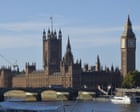
The Palace of Westminster confronts an escalating parliament fire risk that threatens one of the world's most iconic legislative buildings. A parliamentary committee has issued a stark warning that without decisive action on securing adequate funding for refurbishments, the historic structure faces vulnerability to catastrophic events comparable to the 2019 Notre-Dame Cathedral blaze.
Critical Safety Concerns at Westminster Palace
The Grade I-listed building and UNESCO World Heritage Site has become the focus of intense scrutiny regarding its structural integrity and fire safety protocols. Parliamentary officials have emphasized that the parliament fire risk cannot be ignored, particularly given the building's age and complex infrastructure. The warning signals a urgent need for comprehensive intervention to prevent potential disaster.
Mounting Financial Pressures and Maintenance Demands
The cost associated with maintaining adequate safety standards has reached alarming levels. Current projections indicate that weekly maintenance expenses could soon approach £2 million, a figure that encompasses round-the-clock patrol operations specifically designed to mitigate fire hazards. These 24-hour surveillance measures represent a temporary solution to address the immediate safety challenges posed by the aging edifice.
The financial burden extends beyond routine maintenance. A full restoration of the Westminster Palace renovation project requires substantial capital investment that has proven contentious among policymakers. The climbing expenses have contributed to repeated delays in implementing comprehensive renovation strategies.
Delays in Restoration Planning
Decision-making regarding the Westminster Palace renovation has been hindered by persistent disagreement over methodology and implementation timelines. Parliamentary leadership has struggled to reach consensus on how to approach the restoration, with competing visions for the project creating bureaucratic bottlenecks. These deliberative delays have coincided with cost escalations that further complicate planning efforts.
The Palace of Westminster, which dates back centuries and has undergone various renovations throughout its history, presents unique restoration challenges. The building's heritage status requires that any intervention preserve its architectural and historical significance while simultaneously addressing modern safety requirements.
Comparative Risks and Historical Context
The reference to potential Notre Dame-style fire scenarios underscores the vulnerability of historic structures to catastrophic loss. The 2019 Paris cathedral fire demonstrated how rapidly flames can engulf centuries-old timber and stone structures, resulting in irreparable damage to irreplaceable cultural assets. Parliamentary officials have drawn parallels to warn against complacency regarding Westminster's safety protocols.
The Palace of Westminster contains extensive wooden structural elements, intricate architectural details, and densely packed historical artifacts that would prove exceptionally vulnerable in a major conflagration. The complexity of its layout and the volume of materials within its walls compound fire risk assessments.
Parliamentary Restoration Costs and Budget Constraints
The spiraling parliamentary restoration costs have become a central point of contention in government discussions. Initial estimates have been repeatedly revised upward, creating budgetary challenges for legislative leadership. The financial implications extend beyond direct construction expenses to encompass specialized expertise required for heritage preservation.
Planning for the restoration project must account for the building's continuous operational requirements. Unlike secular heritage sites that might be temporarily closed for major work, Parliament must maintain legislative functions during renovation phases, necessitating phased approaches that increase overall project complexity and expense.
Urgent Action Required
The parliamentary committee's assessment makes clear that the status quo is unsustainable. Without prompt resolution of funding questions and commitment to a comprehensive renovation strategy, the Palace of Westminster maintenance challenges will intensify. The current temporary measures, while providing some degree of safety assurance, cannot indefinitely substitute for structural interventions and modernization.
Stakeholders recognize that delay carries escalating risks and costs. Each year without substantive progress on the restoration increases the likelihood of deterioration and compounds the eventual remediation expense. The committee's findings suggest that decisive action now represents the most prudent course of action for protecting this irreplaceable cultural and political institution.