Medical Exam Retakes Proceed Under Heightened Security Following Paper Leak
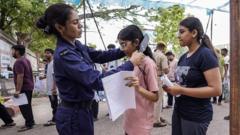
Enhanced Security Protocol for Medical Examination Retakes
Following serious allegations of a medical exam paper leak, Indian educational authorities have implemented rigorous security procedures to ensure the integrity of rescheduled medical examinations. The medical exam paper leak incident prompted swift action from officials, who have deployed comprehensive biometric identification systems and multiple security checkpoints to prevent unauthorized access and potential breaches during the retaken assessments.
The decision to conduct retakes stems from widespread concerns about the compromise of examination materials prior to the original test date. Millions of candidates nationwide are now subject to mandatory biometric verification processes, including fingerprint scanning and digital identification confirmation at examination centers. These measures represent an unprecedented level of scrutiny in Indian medical testing history.
Military Involvement in Examination Security
In a significant escalation of protective measures, the Indian Air Force has been mobilized to oversee the safeguarding of examination papers and maintain perimeter security at testing facilities. This military deployment underscores the seriousness with which authorities are addressing the breach and their commitment to preventing any recurrence of unauthorized document access during the retake period.
The presence of armed forces personnel at examination centers serves multiple functions, including verification of candidate credentials, management of controlled entry points, and monitoring of restricted areas where exam materials are stored and distributed. This comprehensive approach aims to eliminate vulnerabilities that may have contributed to the initial paper leak incident.
Biometric Verification Requirements
Candidates participating in the rescheduled medical exam assessments must undergo thorough biometric checks as a mandatory entry requirement. These security measures include facial recognition technology, iris scanning, and fingerprint verification systems designed to authenticate individual identities and prevent impersonation or unauthorized substitution of test-takers.
The implementation of biometric security protocols extends beyond initial entry procedures. Examination supervisors utilize digital tracking systems throughout testing sessions to maintain continuous verification of candidate identity and ensure that only authorized individuals remain within examination halls during assessment periods.
Frisking and Physical Security Measures
All candidates entering examination centers are subject to physical pat-down searches and inspection of personal belongings. These frisking procedures aim to prevent the introduction of unauthorized materials, electronic devices, or other contraband that could facilitate cheating or communication with external parties during examinations.
Security personnel conduct systematic screening of bags, pockets, and other personal items before candidates are permitted to proceed toward examination halls. The thoroughness of these physical checks reflects the gravity of the situation and institutional determination to maintain examination integrity moving forward.
Impact on Millions of Medical Aspirants
The implementation of these stringent security measures affects millions of medical examination candidates across India who must navigate enhanced screening procedures to participate in rescheduled tests. While security enhancements are necessary to maintain examination credibility, the comprehensive nature of current protocols has generated discussion about balancing security needs with candidate convenience and examination logistics.
Medical aspirants must allocate additional time for biometric processing, physical security screening, and credential verification when arriving at examination centers. This logistical adjustment represents a significant change in testing procedures and requires candidates to plan accordingly for the examination day experience.
Institutional Response to Breach Allegations
Educational authorities have acknowledged the medical exam paper leak as a serious institutional failure and committed to implementing systematic reforms to prevent future breaches. The comprehensive security overhaul encompasses technological upgrades, procedural modifications, and increased personnel oversight at all stages of examination administration and material management.
Officials have launched parallel investigations to identify how the examination paper compromise occurred and which individuals or systems may have facilitated unauthorized access to confidential test materials. These investigative efforts aim to prevent similar incidents and establish accountability for the initial breach.
Technological Solutions and Future Measures
Beyond immediate security deployments, authorities are implementing long-term technological solutions to enhance examination administration security. Digital tracking systems for examination materials, encrypted communication protocols for examination-related instructions, and automated inventory management systems represent components of the modernized security infrastructure.
The integration of advanced technology seeks to create multiple redundant safeguards that make future paper leaks significantly more difficult regardless of individual actions or institutional oversight lapses. These systemic improvements complement the immediate security measures currently in effect for examination retakes.


