Infantino Apologizes for Errors While Securing FIFA Presidency
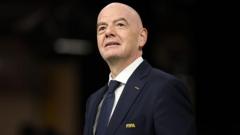
Infantino Remains FIFA President Despite Controversy
Gianni Infantino has successfully retained his position as FIFA president following a decisive show of support from the organization's senior executives. The controversial football administrator, whose tenure has been marked by contentious private investment initiatives, has issued a formal apology acknowledging the missteps that have drawn international scrutiny. Despite the turbulent circumstances surrounding Infantino FIFA president role, the executive leadership has reaffirmed their confidence in his continued stewardship of world football's governing body.
Acknowledging Past Misjudgments
In a carefully worded statement, Infantino expressed his regret over decisions related to his private investment portfolio, which had sparked widespread debate within football circles and among fans globally. The FIFA president characterized these errors as genuine mistakes in judgment rather than intentional misconduct. His willingness to publicly acknowledge these failings represents a significant moment in his leadership tenure, demonstrating an attempt to navigate the delicate balance between accountability and maintaining authority.
Nature of the Controversy
The investment decisions under scrutiny centered on various financial arrangements that critics argued created potential conflicts of interest. These private ventures had raised questions about whether Infantino's personal financial interests could compromise his objectivity in making decisions that affect international football. The controversy intensified when details emerged about the scope and nature of these investments, prompting calls for greater transparency in FIFA's leadership structures.
Executive Support and Organizational Backing
The decision to retain Infantino in his role reflects the broader dynamics within FIFA's executive committee. Senior figures within the organization have indicated that they view Infantino FIFA president capabilities as essential to the organization's stability and international operations. Their backing, despite the acknowledged errors, suggests a pragmatic approach to leadership succession and continuity in a period of significant change within global football governance.
Implications for FIFA's Future Direction
The reaffirmation of Infantino's leadership raises important questions about accountability mechanisms within FIFA and how the organization addresses ethical concerns among its top officials. The decision prioritizes continuity over personnel changes, signaling that the executive committee believes the incumbent president can effectively implement reforms and restore confidence in the organization.
International Response to the Decision
The football world has received the news of Infantino FIFA president continuation with mixed reactions. Supporters argue that retaining experienced leadership during periods of controversy allows for more measured reforms, while critics contend that stronger accountability measures should have been implemented. Football associations from various nations have issued statements reflecting their perspectives on the matter, with some emphasizing the need for future transparency and others supporting the decision to maintain stability.
Questions About Governance Standards
This situation has reignited broader conversations about governance standards within international sports organizations. Observers have called for FIFA to implement more rigorous ethical guidelines, stronger conflict-of-interest protocols, and enhanced oversight mechanisms to prevent similar controversies from emerging in the future. The response from stakeholders suggests that while Infantino retains support, expectations for improved governance practices have been significantly elevated.
Moving Forward: Reform and Reconstruction
As Infantino continues in his role as FIFA president, attention now focuses on what concrete actions he will take to address the underlying issues that prompted the controversy. The executive committee's decision to retain him appears conditional on demonstrable commitment to reform and enhanced accountability. Whether these reforms will be sufficient to restore complete confidence in FIFA's leadership structures remains to be seen.
Commitment to Transparency
In his apology, Infantino indicated his intention to pursue greater transparency in FIFA's operations and decision-making processes. This commitment, if realized through substantive policy changes, could represent a turning point for the organization's relationship with national football federations, players, and the global football community.
Conclusion
The retention of Gianni Infantino as FIFA president, coupled with his formal apology for controversial investment decisions, marks a significant moment in international football governance. While executive backing has secured his position, the path forward requires demonstrable commitment to reform and enhanced accountability to maintain stakeholder confidence in his leadership.


