Ice Pyramids Rescue Mountain Villages in India's Water Crisis
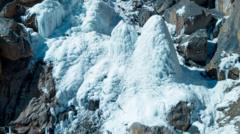
Ice Pyramids: A Revolutionary Water Solution for Indian Mountain Villages
Artificial ice pyramids represent an innovative approach that mountain communities across India's Himalayan region are implementing to address critical water shortages. These engineered structures freeze water during winter months, creating accessible ice reserves that gradually melt during spring, providing essential irrigation supplies when agricultural demand peaks. The artificial ice pyramids technology transforms how rural villages manage their most precious resource in regions where traditional water sources have become increasingly unreliable.
Understanding the Mechanics of Artificial Glacier Formation
The process of creating artificial ice pyramids involves channeling water from natural sources down steep mountainsides during winter. As water flows down these carefully engineered channels called 'Chadar,' it freezes in layers, gradually accumulating into towering cone-shaped structures. These frozen formations can reach heights of up to 50 meters, storing millions of liters of water in solid form. When spring arrives and temperatures rise, the artificial ice pyramids slowly melt, releasing water precisely when Himalayan agricultural communities need it most for their crops.
Historical Origins and Traditional Knowledge
This ingenious method isn't entirely new—it combines ancient irrigation wisdom with modern engineering principles. Local farmers in remote Ladakh and neighboring regions have long understood seasonal water patterns, but contemporary adaptations have made the process more efficient and scalable. Engineers have refined techniques to maximize ice accumulation while minimizing water loss through evaporation, making artificial ice pyramids increasingly effective across different altitudes and climate conditions.
Impact on Himalayan Agricultural Communities
The introduction of artificial ice pyramids has transformed farming possibilities in previously water-stressed mountain villages. Farmers who once struggled with limited irrigation capacity during critical growing seasons now enjoy more predictable water availability. Crop yields have increased substantially, with farmers cultivating a wider variety of plants including vegetables, apples, and apricots that require consistent spring and summer moisture. The artificial ice pyramids system has essentially extended the growing season, allowing multiple harvests where previously only single-crop cultivation was viable.
Economic Benefits for Remote Communities
Beyond agricultural improvements, artificial ice pyramids have generated economic advantages for mountain villages. Increased crop production has enabled farmers to sell surplus produce in regional markets, creating income streams previously unavailable to remote communities. Employment opportunities have emerged in glacier construction, maintenance, and management. Additionally, water security has attracted new residents to these villages and encouraged younger generations to remain engaged in agriculture rather than migrating to urban centers.
Environmental Advantages of This Technology
The artificial ice pyramids approach offers significant environmental benefits compared to alternative water management solutions. Unlike dams or extensive pipeline systems that require extensive construction and environmental modification, ice pyramid technology works within natural seasonal cycles. This method prevents water loss through evaporation in high-altitude regions where wind and sun exposure can deplete conventional reservoirs rapidly. By storing water in frozen form at mountain elevations, the artificial ice pyramids system minimizes downstream ecological disruption while maintaining natural water flow patterns during non-critical periods.
Climate Change Resilience
As climate change threatens traditional glacial systems throughout the Himalayas, artificial ice pyramids provide an adaptive strategy for communities facing water uncertainty. While permanent glaciers continue retreating, engineered frozen structures offer more predictable water availability based on manageable winter precipitation. This technology represents an essential buffer against increasingly erratic weather patterns affecting mountain agriculture.
Challenges and Future Development
Despite promising results, artificial ice pyramids face several obstacles. Construction requires significant initial investment in infrastructure, including channel systems and monitoring equipment. Maintenance demands skilled labor in remote locations with limited technical resources. Additionally, effectiveness depends on winter precipitation levels—drought years can limit ice formation. Communities are exploring enhanced techniques, including mixing water with additives to improve freezing efficiency and researching optimal construction angles to maximize ice preservation.
Scaling Solutions Across the Himalayas
Government agencies and non-profit organizations are increasingly supporting artificial ice pyramids expansion throughout mountain villages across India, Nepal, and Tibet. Training programs are educating rural engineers in construction and maintenance techniques. Funding mechanisms are developing to help communities establish their own ice pyramid systems. As climate pressures intensify across high-altitude regions, this technology promises to become increasingly central to mountain village survival and prosperity.
Conclusion: Innovation Meets Necessity
The artificial ice pyramids phenomenon exemplifies how communities facing environmental challenges can innovate using available resources and traditional knowledge. These frozen structures stand as testament to human ingenuity, demonstrating that effective solutions often emerge from necessity rather than external intervention. As Himalayan mountain villages continue perfecting this technology, artificial ice pyramids may become a model for water management in other climate-stressed regions worldwide, offering hope for communities confronting similar resource constraints.


