Harry Brook Shows Gower's Talent But Lacks Captain's Experience
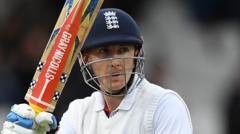
Harry Brook's Exceptional Batting Talent
England batsman Harry Brook has demonstrated remarkable batting credentials that place him among the nation's most gifted cricketers, yet questions remain about his readiness for England captain responsibilities. According to cricket expert Jonathan Agnew, while Brook possesses the technical brilliance of legends like David Gower and Kevin Pietersen, his current developmental stage suggests captaincy may still be premature.
The young England batsman's recent performance at Headingley showcased the type of consistent excellence that should define his Test cricket future. Agnew's analysis highlights how Brook's approach and execution during this innings encapsulate the formula for sustained international success at the highest level.
Comparing Brook to Cricket's Greatest Talents
Drawing parallels between Harry Brook and legendary England batsmen reveals striking similarities in technical prowess and natural ability. Gower's elegance and Pietersen's aggressive versatility both found echoes in Brook's strokeplay during his Headingley display. These comparisons underscore the genuine talent resident in the young batsman, positioning him as a potential long-term cornerstone for England's Test cricket ambitions.
However, Agnew's assessment emphasizes that raw batting talent alone does not automatically translate into captaincy readiness. The additional responsibilities, tactical acumen, and leadership maturity required for the captain's role demand further seasoning and experience. Brook must first consolidate his position as an elite batsman before shouldering such demanding organizational duties.
The Headingley Blueprint for Future Success
Brook's innings at Headingley provides a masterclass in Test cricket batting that should serve as his template moving forward. The disciplined approach, combination of aggressive intent and defensive solidity, and sustained concentration throughout his stay at the crease demonstrated the hallmarks of international-class batsmanship. This performance established a blueprint that, if consistently replicated, positions Brook among England's most reliable run-scorers.
The specific technical elements Brook employed—balance at the crease, shot selection timing, and adaptation to varying bowling conditions—showcase a maturity in his game that extends beyond his relatively modest years in Test cricket. These components deserve continued refinement and emphasis in his upcoming matches.
England Captain Requirements Beyond Batting Excellence
The position of England Test captain encompasses far more than exceptional individual batting performance. The role demands strategic vision, diplomatic skills with teammates, media management capabilities, and the ability to maintain composure under intense scrutiny. While Harry Brook undoubtedly possesses the batting excellence required, Agnew's perspective suggests these supplementary competencies remain underdeveloped.
Captaincy experience typically follows an evolutionary pathway. Young players of Brook's caliber benefit from gradual exposure to leadership responsibilities, often beginning with domestic competitions or shorter-format cricket before progressing to full Test captaincy. Rushing this transition risks compromising both his development as a batsman and his effectiveness as a leader.
Future Prospects for Brook's Cricket Career
Jonathan Agnew's analysis presents an optimistic yet realistic assessment of Harry Brook's cricket trajectory. His potential as a Test batsman remains exceptional, with the technical tools and mental strength evident at Headingley suggesting many productive years ahead. The pathway forward should prioritize consolidating this batting excellence while gradually building leadership experience through alternative opportunities.
Brook's immediate focus should remain on extending his impressive performances, developing consistency across varied conditions, and establishing himself as a permanent fixture in England's middle order. This foundation-building phase, though perhaps less glamorous than immediate captaincy consideration, serves the batsman's long-term interests and the team's competitive requirements more effectively.
Expert Perspective on England's Future Direction
Agnew's comments reflect broader discussions within English cricket regarding succession planning and player development. The identification of emerging talent like Harry Brook represents genuine progress, yet the timing of advancement into senior leadership remains a critical decision. Balancing ambition with realistic assessment of preparedness defines successful talent management at international level.
As England continues navigating its Test cricket challenges, batsmen of Brook's caliber represent genuine cause for optimism. His Headingley performance validates the faith placed in his selection and raises justified hopes for sustained contributions to England's batting lineup in coming years. Whether that pathway eventually includes the captain's armband depends on continued growth in both cricket and broader leadership dimensions.


