Feral Children Deserve Space to Grow Freely
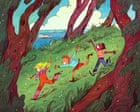
Feral Children: The Forgotten Right to Roam
Adults frequently criticize young people, insisting that feral children deserve greater autonomy and presence in society. Yet the moment they exercise that independence, the same adults demand silence and compliance. This contradiction sits at the heart of modern parenting debates, particularly in communities where geography demands self-reliance and resilience from the youngest residents.
Growing Up on an Island: A Different Kind of Childhood
Life on Peaks Island, a small Maine settlement accessible only by boat roughly 3 miles from Portland's coast, offers a unique perspective on how feral children develop and thrive. On this remote island, the traditional concept of childhood extends only until youngsters reach the age where they can catch the 7:15 AM ferry to mainland schools. This daily commute marks not just a transition in education, but a significant milestone in a young person's journey toward independence and responsibility.
The Transition to Middle School: A Rite of Passage
Island communities like Peaks Island operate differently from suburban or urban settings. While the island maintains an elementary school facility, there are no middle or high school options available locally. This geographic reality forces a decisive moment in every island child's life. Once students reach sixth grade, they must begin their regular commute across the water to pursue secondary education on the mainland.
This journey represents far more than a simple transportation requirement. For feral children growing up in isolated communities, the ferry ride becomes a rite of passage—a tangible moment when childhood responsibilities dramatically shift. The daily ritual of boarding the 7:15 AM ferry requires punctuality, independence, and courage. Young people must navigate schedules, coordinate with peers, manage their belongings, and handle unexpected weather delays without parental intervention.
Why Feral Children Need Freedom to Explore
The concept of feral children often carries negative connotations in mainstream discourse. However, examining communities where children must develop competence and self-reliance reveals important truths about child development. Feral children who grow up with genuine responsibility—like those commuting by ferry—develop stronger problem-solving abilities, greater confidence, and enhanced social skills compared to peers in more controlled environments.
When society grants feral children the space to navigate challenges independently, they learn resilience. They understand consequences without constant adult supervision. They build authentic connections with peers based on shared experiences and mutual dependence. These outcomes reflect what developmental psychologists have long suggested: children need opportunities to test their capabilities in real-world situations.
The Paradox of Adult Expectations
Society presents a frustrating paradox to young people. Adults express frustration that children remain passive, dependent, and disconnected from meaningful participation in community life. Parents and educators call for feral children to demonstrate initiative, leadership, and problem-solving abilities. Yet when young people actually exercise these capacities—speaking up, taking risks, occupying public space—adults immediately impose restrictions and demand quieter, more subdued behavior.
This contradiction proves particularly stark in island communities where survival and daily logistics cannot accommodate excessive adult control. Feral children cannot catch ferries late; the boats operate on fixed schedules. They cannot afford social hesitation; they must collaborate with other island students or face isolation. They cannot expect constant reassurance; the ocean and weather present genuine challenges requiring mature decision-making.
Geographic Necessity as Educational Tool
The Maine island example demonstrates how geography can inadvertently provide what parenting experts recommend: authentic responsibility matched with genuine consequences. Feral children in such settings don't learn independence from motivational books or helicopter parent compromises. They learn through necessity, repetition, and real-world stakes.
Every missed ferry becomes a serious problem requiring problem-solving. Every successful commute reinforces competence and confidence. Every interaction with mainland peers and teachers demands that island children prove themselves capable and mature. These daily experiences shape fundamentally different human beings compared to children raised entirely within protective adult frameworks.
Rethinking Childhood in Modern Society
Perhaps society needs to reconsider its relationship with feral children and childhood independence. Rather than viewing young people who take up space, make noise, and assert independence as problems requiring management, communities might recognize these behaviors as developmentally healthy signs. Children and teenagers need room to grow, fail safely, and succeed meaningfully.
Island communities have always understood this necessity. Feral children raised on remote Maine islands know something many suburban peers never discover: that adults who genuinely need them to be capable and responsible tend to treat them as such. The 7:15 AM ferry doesn't care about childhood innocence or parental anxiety. It demands competence, and island children rise to meet that demand every single day.