Farage Absent from Budget Session Over Seating Dispute Concerns
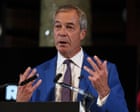
Reform UK Leader Nigel Farage Avoids Budget Session Due to Seating Tensions
Nigel Farage, leader of Reform UK, notably abstained from attending the Chancellor's inaugural budget presentation in Parliament, citing concerns over potential interpersonal conflict regarding parliamentary seating assignments. The political figure subsequently held an independent media briefing to articulate his positions on key fiscal matters, demonstrating his determination to communicate party priorities despite his physical absence from the chamber.
Reasons Behind Farage's Parliamentary Absence
According to reports, the Nigel Farage budget absence stemmed from apprehensions about confrontational interactions with fellow parliamentary members centered around designated seating locations. The Reform UK leader expressed worry that remaining present could precipitate a heated physical disagreement within the Commons chamber, prompting his strategic decision to bypass the session entirely.
This unconventional move highlighted ongoing tensions within Westminster regarding parliamentary procedures and member accommodations. The seating arrangement dispute underscores broader concerns about crowded conditions and protocols within the House of Commons as political representation continues to evolve with new party dynamics.
Farage's Post-Budget Commentary and Criticism
Though absent from the official proceedings, Nigel Farage did not remain silent on the budget's contents. During his subsequent press conference, he expressed substantial disapproval regarding the government's financial allocations, particularly the £10 billion committed to supporting Ukraine's ongoing geopolitical challenges.
The Reform UK leader characterized his reaction to the Ukraine funding pledge as one of considerable shock, indicating that his party views this expenditure as misaligned with domestic priorities. This criticism reflects Reform UK's broader fiscal philosophy, which emphasizes redirecting international aid toward internal British economic concerns.
Reform UK's Continued Advocacy for Cryptocurrency Tax Reforms
Beyond his comments on international aid spending, Farage utilized the press conference platform to reinforce Reform UK's established stance on cryptocurrency taxation. He reiterated his party's commitment to implementing tax cuts specifically benefiting cryptocurrency investors and market participants.
The digital asset tax policy represents a central component of Reform UK's economic agenda, positioning the party as a progressive force regarding emerging financial technologies. By doubling down on this position immediately following the budget announcement, Farage signaled that cryptocurrency sector support remains a non-negotiable policy priority for his political movement.
Implications for Parliamentary Representation and Procedures
The incident surrounding Nigel Farage budget absence raises important questions about operational efficiency within Parliament and the accommodation of increasing political diversity. As new political parties gain parliamentary representation, existing physical infrastructure and traditional seating arrangements face unprecedented pressures.
These challenges necessitate thoughtful consideration of how Westminster can adapt its systems to facilitate productive political discourse while maintaining the decorum essential to effective legislative proceedings. The situation emphasizes that parliamentary modernization extends beyond policy discussions to encompass practical infrastructure considerations.
Reform UK's Broader Policy Positioning
Farage's absence from the budget session, combined with his subsequent media engagement, demonstrates Reform UK's approach to political communication and negotiation. Rather than accepting traditional parliamentary constraints, the party leadership actively shapes narratives through alternative channels, appealing directly to constituents and media audiences.
This strategy reflects contemporary political dynamics where parties increasingly bypass traditional institutions to establish direct communication with voters. Reform UK's messaging emphasizes fiscal responsibility, cryptocurrency innovation support, and reassessment of international spending priorities as core distinguishing factors from establishment political parties.
Looking Forward: Parliamentary Integration and Political Change
The Nigel Farage budget absence incident serves as a microcosm of broader transformations within British politics. As Westminster adapts to accommodate diverse political movements beyond traditional Conservative-Labour frameworks, institutional procedures and physical arrangements require corresponding evolution.
Reform UK's continued emphasis on challenging conventional political approaches, combined with specific policy positions on cryptocurrency and government spending priorities, positions the party as an ongoing disruptive force within British parliamentary politics. Future budget sessions will likely reveal whether current parliamentary arrangements can accommodate expanding political diversity without resorting to absences or confrontational dynamics that undermine legislative effectiveness.