England's Drought Crisis: Over Half the Nation Faces Water Shortage
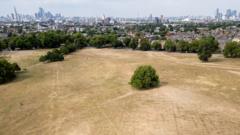
England's Drought Crisis: A Nation Under Water Stress
The Environment Agency has officially declared that more than half of England faces a significant England drought crisis, marking a critical moment for the nation's water resources and environmental stability. This unprecedented declaration comes after an extended period of extreme heat and minimal rainfall that has systematically depleted water reserves across the country.
The Severity of Current Conditions
The exceptionally hot and dry period has created cascading effects throughout England's environmental systems. Rivers have experienced dramatically reduced water levels, leaving waterways that typically support diverse ecosystems now struggling to maintain adequate flows. Agricultural regions have faced substantial challenges as crops suffer from insufficient moisture, threatening food production and rural livelihoods across multiple counties.
Wildlife populations have similarly been impacted by these harsh conditions. Natural habitats dependent on consistent water availability have been disrupted, forcing animals and plants to adapt to increasingly stressful circumstances. Conservation experts have raised concerns about the long-term ecological consequences of this prolonged dry spell.
Impact on Water Resources and Supply
The England drought crisis represents a serious threat to public water supplies across numerous regions. Water companies have implemented restrictions and conservation measures to manage demand during this critical period. Reservoirs and groundwater sources that replenish the nation's drinking water systems have not received adequate recharge from precipitation, creating a genuine sustainability challenge.
Agricultural communities face particularly acute pressures. Farmers have had to invest in emergency irrigation measures or accept reduced yields, directly affecting food prices and availability in supermarkets. The strain on irrigation systems has been unprecedented, with some regions implementing strict guidelines for water usage in farming operations.
Environmental and Ecological Consequences
Beyond immediate supply concerns, this dry period threatens long-term environmental health. River ecosystems that support fish populations and aquatic life have been severely stressed. The reduced water flow has concentrated pollutants and increased water temperatures, creating hostile conditions for sensitive species. Wetlands and marshes that depend on seasonal water accumulation have dried prematurely, disrupting breeding cycles for migratory birds and amphibians.
Forests and woodlands across the nation have become increasingly vulnerable to wildfires during this hot, dry period. The combination of high temperatures and low soil moisture has created dangerous conditions where vegetation ignites more readily, threatening both natural habitats and surrounding communities.
Regional Variations and Affected Areas
The England drought crisis has not affected all regions equally. Some areas in the Southeast and Midlands have experienced more severe conditions than northern regions. Water companies operating in the South East have issued particularly stringent restrictions, while some northern utilities have reported better conditions. However, the declaration that more than half the nation faces drought conditions indicates widespread impact across most of England's populated areas.
Government and Authority Responses
The Environment Agency has activated comprehensive drought management protocols in response to these conditions. Water companies have introduced temporary use bans, restricting activities such as garden watering, car washing, and filling swimming pools. These measures aim to preserve available water for essential human consumption and critical agricultural needs.
Local authorities have coordinated with regional water providers to communicate drought restrictions to residents and businesses. The government has engaged with agricultural representatives to develop support strategies for affected farmers facing crop failures and water supply limitations.
Long-Term Outlook and Climate Considerations
This England drought crisis reflects broader patterns associated with climate change, where extended dry periods become increasingly common. Meteorologists and climate scientists have warned that without significant precipitation in the coming weeks, conditions may deteriorate further. Rainfall forecasts remain uncertain, and water resource managers continue monitoring weather patterns closely.
The situation underscores the importance of water conservation infrastructure and sustainable management practices. Experts advocate for long-term investments in water storage, treatment facilities, and recycling systems to build resilience against future drought periods. The current crisis serves as a stark reminder of environmental vulnerability in an era of changing climate patterns.


