Drumcree Court Decision Reignites Orange Order Marching Dispute
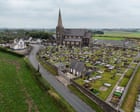
Drumcree Marching Dispute Returns to Spotlight
A significant Drumcree marching dispute has resurfaced following a high court decision that quashes the latest restrictions imposed on an Orange Order procession. The ruling threatens to reignite longstanding tensions surrounding the contentious Garvaghy Road route near Portadown in County Armagh, marking a concerning development in Northern Ireland's historically volatile marching season calendar.
For nearly two decades, the Drumcree marching dispute faded from public consciousness as an uneasy peace replaced the violent confrontations that once characterized summer months in this region. What was once an annual flashpoint for sectarian violence and pitched clashes between Orangemen and police now appeared consigned to historical memory. However, this latest court intervention suggests that the underlying tensions remain unresolved beneath the surface of relative calm.
The Historical Context of Drumcree Tensions
The Drumcree controversy centers on the Orange Order march that traditionally passes through predominantly Catholic areas near Portadown. For many years, this annual procession became the focal point of intense community division, triggering not only local confrontations but also waves of murderous sectarian violence that rippled across Northern Ireland's broader landscape.
The parish church at Drumcree served as the symbolic epicenter of these disputes, where Orangemen sought to maintain their traditional marching routes while Catholic residents organized sustained opposition to these processions passing through their neighborhoods. The resulting standoffs between protestors and police, combined with the sectarian violence they precipitated elsewhere, created a cycle of communal trauma and political recrimination.
Two Decades of Fragile Peace
The de facto truce that emerged gradually over the past twenty years represented a significant achievement in Northern Ireland's peace process. While authorities never formally resolved the Drumcree marching dispute, practical arrangements and informal agreements allowed communities to coexist without the annual summer violence that had become synonymous with the marching season.
Restrictions placed on the Orange Order march routes served as the mechanism through which this uneasy peace was maintained. These court-enforced limitations created a buffer that satisfied neither community entirely but prevented the escalation into violent confrontation. The system, though imperfect, preserved stability during what remained an emotionally charged period each year.
The Latest Court Decision and Its Implications
The high court's decision to quash the most recent restrictions fundamentally alters this delicate equilibrium. By removing the legal barriers that had constrained the Orange Order march around the Garvaghy Road area, the ruling potentially opens the door to renewed community mobilization on both sides of the sectarian divide.
Legal experts suggest this decision represents a significant shift in judicial interpretation regarding marching rights and community restrictions. The court's reasoning appears to prioritize traditional marching freedoms over the localized restrictions that had been in place, creating immediate concerns about how different communities will respond to this altered legal landscape.
Political Ramifications Across Northern Ireland
The Drumcree marching dispute has never been purely a local matter. Its political dimensions extend across Northern Ireland's governmental structures and international relations. Unionist parties view marching rights as fundamental to their cultural expression and political identity, while nationalist and Catholic communities see restrictions as necessary protections against sectarian provocation.
This court ruling reinjects the marching question into political calculations across the region. Politicians who had managed to avoid contentious marching debates in recent years now face pressure to address this renewed flashpoint. The decision threatens to undermine carefully constructed political compromises that have allowed governing institutions to function despite deep communal divisions.
Community Concerns and Sectarian Tensions
Local communities along the Garvaghy Road have expressed alarm at the court's decision. Catholic residents who organized sustained opposition to the Orange Order march during the worst confrontations fear a return to the antagonistic atmosphere of previous decades. Their concerns reflect real historical trauma associated with marching season violence.
For the Orange Order and unionist communities, the ruling represents validation of their cultural and legal rights. They view marching as integral to their identity and have consistently argued that restrictions constitute discrimination. This fundamentally opposed perspective ensures that the court decision will intensify rather than resolve underlying tensions.
What the Future Holds
The reinvigoration of the Drumcree marching dispute poses significant challenges for Northern Ireland's stability. While the region has made remarkable progress toward reconciliation since the Good Friday Agreement, certain historical grievances remain capable of reigniting sectarian divisions with remarkable speed.
Political leaders and community organizations must now determine how to navigate this renewed challenge. Options range from negotiated local agreements to further legal interventions, but each path involves risks of disappointing one or both communities. The coming marching season will test whether the peace established over the past two decades can withstand this judicial disruption.