Colombia's Armed Conflict Takes Center Stage in Presidential Race
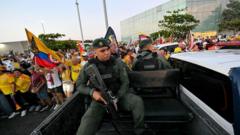
Colombia's Armed Conflict Reshapes Electoral Landscape
The nation's devastating internal strife has emerged as the defining issue in Colombia's upcoming presidential election, with fundamental disagreements over how to address organized crime and gang violence separating the leading candidates. A prominent left-wing senator advocating dialogue-based approaches to armed groups confronts a political outsider who has secured endorsement from international figures, creating a stark choice for voters grappling with security concerns that dominate daily life across the country.
The Left-Wing Candidate's Approach
The left-leaning senator pushing for negotiated settlements with criminal organizations represents a significant shift in Colombia's traditional hardline stance on gang operations. This candidate believes that direct talks and dialogue mechanisms can reduce violence more effectively than military confrontation alone. Supporters of this approach argue that decades of conflict-focused strategies have failed to eliminate organized criminal groups, instead fueling cycles of violence that devastate communities. The senator's platform emphasizes understanding root causes of gang recruitment, addressing poverty and inequality that drive people toward criminal organizations, and establishing frameworks for peaceful resolution. This philosophy directly challenges conventional security doctrine that prioritizes enforcement and military operations above all other considerations.
Critics and Supporters of Negotiations
Those backing the negotiation-based strategy contend that engaging armed groups opens pathways to sustainable peace that violence alone cannot achieve. They point to international examples where dialogue preceded successful conflict resolution. However, opponents argue that talking with criminal organizations legitimizes their power and sends dangerous signals about consequences for illegal activity. The debate over this candidate's platform has become increasingly heated as election day approaches, with security experts divided on whether negotiations represent pragmatism or dangerous capitulation.
The Outsider Candidate's Position
Standing against the left-wing senator is a political newcomer who represents a departure from Colombia's traditional establishment figures. This candidate has attracted backing from prominent international personalities, including American political figures, signaling a different ideological direction for the nation. The outsider emphasizes stronger security measures, enhanced law enforcement capabilities, and international cooperation in combating drug trafficking and organized crime. This campaign leverages dissatisfaction with existing political structures and promises transformative change in how Colombia addresses its security challenges. The candidate's anti-establishment messaging resonates with voters frustrated by ongoing violence and seeking dramatic policy shifts.
International Dimensions
The outsider's international endorsements, particularly from American political figures, highlight how Colombia's internal conflicts attract external attention and involvement. These endorsements suggest geopolitical dimensions to the election, with different visions for Colombia's relationship with the international community and approaches to shared security concerns like drug trafficking. The American backing positions this candidate as aligned with more traditional security partnerships and enforcement-focused strategies that have historically characterized U.S.-Colombia relations.
Violence and Its Electoral Impact
Colombia's ongoing armed conflict creates the urgent context driving voter behavior and campaign messaging. Gangs controlling territory in various regions continue violent operations affecting civilians, with homicide rates and displacement patterns reflecting the severity of the security crisis. Communities dealing with direct impacts of gang violence face choices between candidates with fundamentally different philosophies about how to restore peace and safety. The prevalence of armed conflict in daily news cycles ensures that electoral debates center on security policy rather than other traditional political topics.
Regional Security Dynamics
Different regions of Colombia experience varying intensities of gang violence, creating distinct electoral concerns depending on geographic location. Areas heavily impacted by criminal organizations may prioritize candidates promising immediate security improvements, while other communities might support dialogue-based approaches viewed as long-term solutions. This geographic variation in violence patterns creates a complex electoral map where candidate support correlates with local security experiences and perceptions of different strategies' effectiveness.
The Path Forward
This presidential election represents a decisive moment for Colombia's trajectory regarding internal conflict resolution. The sharp contrast between negotiation-focused and enforcement-focused candidates offers voters a clear choice about fundamental direction. Whichever candidate prevails will implement policies affecting millions of Colombians currently living under the shadow of gang violence and criminal organization dominance. The election outcome will likely determine whether Colombia pursues dialogue-based peace initiatives or intensified security operations in combating armed groups. International observers recognize that Colombia's electoral choice carries implications extending beyond its borders, influencing regional security dynamics and international approaches to organized crime in Latin America. The coming weeks will reveal whether Colombian voters prioritize the promise of negotiated settlements or the appeal of stronger enforcement and outsider leadership in addressing the brutal realities of their nation's persistent armed conflict.


