Colombia Earthquake: 180 Dead as Rescuers Battle to Find Survivors
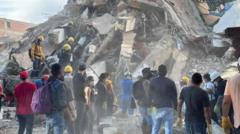
Colombia Earthquake Leaves 180 Dead, Rescue Operations Intensify
A devastating Colombia earthquake has claimed the lives of 180 people, prompting immediate and extensive rescue operations across affected regions. Emergency teams continue their tireless efforts to locate and free survivors trapped beneath collapsed structures and debris fields.
The disaster has triggered multiple aftershocks on Tuesday, complicating rescue procedures and adding new challenges to the already critical situation. Rescue workers are navigating dangerous conditions as they search through rubble for signs of life, working against time and deteriorating structural integrity in damaged buildings.
Rescue Operations in Full Swing
Emergency response teams from various regions have been mobilized to participate in the Colombia earthquake relief effort. Trained personnel are utilizing specialized equipment and trained rescue dogs to locate survivors hidden beneath layers of concrete, steel, and debris. The scale of operations reflects the magnitude of the disaster and the urgent need to save those still trapped.
Rescue workers are operating under extremely hazardous conditions, with unstable buildings posing constant threats. Teams rotate in shifts to maintain operational efficiency while managing physical exhaustion and emotional toll. Communication networks have been established to coordinate efforts between different rescue units and ensure efficient resource allocation across affected zones.
Aftershocks Complicate Rescue Efforts
The Colombia earthquake triggered a series of powerful aftershocks throughout Tuesday, creating additional obstacles for rescue teams already working under pressure. Each tremor risks further destabilizing compromised structures, potentially causing additional collapses and endangering both survivors and rescue personnel. Scientists continue monitoring seismic activity to provide early warnings of significant aftershocks.
Authorities have established safety perimeters around the most unstable buildings to prevent civilians from entering danger zones. These precautions, while necessary, also limit access to certain areas where survivors might be located. Rescue coordinators must carefully balance safety protocols with the urgent need to reach those trapped within the most damaged structures.
Survivor Stories and Search Progress
Despite the catastrophic nature of the Colombia earthquake, rescue teams have successfully extracted numerous survivors from the rubble. Each successful rescue provides hope to both emergency workers and families desperately seeking news of their loved ones. Medical teams are standing by to provide immediate assistance to rescued survivors, treating injuries ranging from minor cuts to severe trauma.
Search dogs have proven invaluable in locating survivors, using their sensitive sense of smell to detect human presence beneath debris. These animals work alongside human rescuers, dramatically increasing the efficiency of search operations. Their contributions have led to discoveries of survivors in locations that might have otherwise been overlooked.
Regional Impact and Infrastructure Damage
The Colombia earthquake has caused extensive damage to infrastructure throughout the affected regions. Homes, schools, hospitals, and commercial buildings have been partially or completely destroyed. Power outages affect vast areas, hampering both rescue operations and communication efforts. Water and sanitation systems have been damaged, creating additional public health concerns.
Transportation networks have been severely impacted, with roads cracked and rendered impassable in many locations. This has slowed the movement of rescue equipment and medical supplies to affected areas. Authorities are working to restore critical infrastructure while simultaneously managing ongoing rescue operations.
Government and International Response
Colombian government officials have declared a state of emergency, mobilizing national resources to address the crisis. International assistance has been requested, with neighboring countries offering search and rescue teams, medical personnel, and emergency supplies. The global community has expressed support for Colombia earthquake relief efforts through various channels.
Hospitals have activated disaster protocols to accommodate the influx of injured survivors. Medical staff are working extended hours to treat the wounded, with many patients requiring surgery and specialized care. Temporary medical facilities have been established in areas where hospital infrastructure has been compromised.
Looking Forward: Recovery and Investigation
As rescue operations continue, authorities have begun preliminary investigations into building construction standards and compliance. The extent of damage will inform future decisions regarding building codes and earthquake preparedness measures. Geological experts are analyzing the Colombia earthquake's characteristics to better understand regional seismic risks and improve future disaster response strategies.
The humanitarian impact extends beyond immediate casualties, with thousands of people losing homes and displacement affecting entire communities. Government agencies are coordinating with relief organizations to provide shelter, food, and medical care to displaced populations. Long-term recovery planning has begun, though immediate priorities remain focused on life-saving rescue operations and emergency medical care for the injured.


