Channel 4's ADHD Documentary Sparks Major Charity Complaint
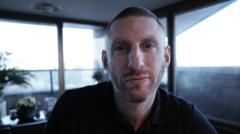
ADHD Charity Raises Concerns Over Channel 4 Program
A prominent ADHD charity has formally lodged a complaint regarding Channel 4's recent documentary, intensifying the ongoing debate surrounding the network's coverage of attention deficit hyperactivity disorder. The ADHD charity complaint centers on concerns about the documentary's editorial approach and its potential impact on public perception of the condition.
Documentary Labeled 'Most Controversial' of the Year
Media commentators have described the program as one of the most polarizing broadcasts of the current year. According to press coverage, one major newspaper has characterized the ADHD charity complaint as justified, referring to the Channel 4 documentary as "the most controversial show of the year." This assessment underscores the significant public interest and divided opinions surrounding the production.
Understanding the Central Issues
The documentary in question examines various aspects of ADHD diagnosis and treatment, presenting perspectives that some argue diverge from established medical consensus. The ADHD charity complaint alleges that the program may have presented misleading information or created an imbalanced narrative regarding how the condition is understood and managed. These concerns highlight the delicate nature of broadcasting content that addresses complex medical and psychological topics.
Broader Implications for Health Broadcasting
This incident raises important questions about editorial responsibility in documentary filmmaking, particularly when addressing healthcare subjects. The complaint represents broader concerns within the medical and advocacy communities about how channels present information that directly affects public health understanding. When major charities file formal complaints, it typically signals substantive concerns about factual accuracy or the way sensitive issues are framed.
Response and Next Steps
The ADHD charity complaint process follows standard broadcasting regulations, wherein organizations can formally challenge content they believe violates guidelines or presents information irresponsibly. Channel 4 has not yet issued a detailed response to the specific allegations, though broadcasters typically review such complaints carefully and may issue clarifications or additional context as deemed appropriate.
Impact on Public Discourse
The controversy surrounding this Channel 4 documentary demonstrates how powerful visual media can shape public understanding of medical conditions. ADHD charities, medical professionals, and patient advocacy groups maintain that accurate representation is crucial for ensuring individuals receive appropriate support and diagnosis. The ADHD charity complaint serves as a reminder of the responsibility media organizations bear when addressing topics that affect millions of people worldwide.
The Importance of Balanced Reporting
Discussions about ADHD require nuanced, evidence-based approaches that respect both scientific research and the lived experiences of people with the condition. The complaint filed by the ADHD charity reflects a commitment to ensuring that broadcast journalism maintains rigorous standards when covering healthcare matters. As more documentaries explore mental health and neurodevelopmental topics, such scrutiny becomes increasingly important for maintaining public trust in media institutions.


