Carney Criticizes Trump's Tariffs as Strategic Error Amid Trade Dispute
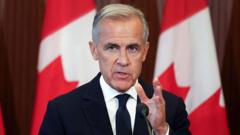
Carney Condemns Trump's Tariff Strategy as Miscalculation
Mark Carney has publicly declared that Trump's fresh tariffs represent a significant miscalculation in trade policy, following the breakdown of critical negotiations between the two nations. The Canadian official's strong statement underscores growing tensions in cross-border trade relations and signals an escalating dispute between Washington and Ottawa.
Carney's assessment of Trump's tariffs comes at a pivotal moment when diplomatic channels appear to have stalled. His characterization of the policy move as a "miscalculation" reflects serious concerns about the strategic implications of the tariff implementation and its broader impact on continental commerce.
Canada Announces Reluctant Retaliatory Measures
In response to the Trump tariffs scenario, Canadian leadership has announced retaliatory tariffs with evident reluctance. The decision to implement counter-tariffs was not made lightly, as officials emphasized their preference for continued dialogue and negotiated settlements. However, the breakdown of trade talks left policymakers with limited options for protecting domestic interests.
The announcement of these retaliatory tariffs marks a significant escalation in the ongoing trade dispute. Canadian officials stressed that they had explored every avenue for peaceful resolution before resorting to counter-measures. The reluctant nature of this response demonstrates Canada's commitment to finding common ground, even as the nation prepares to defend its economic interests.
The Collapse of Trade Negotiations
The failure of recent trade discussions between the United States and Canada has created a void in diplomatic efforts to resolve commercial disagreements. Both nations entered these negotiations with competing priorities and conflicting objectives, ultimately leading to an impasse.
Trade talks that were meant to address tariff disputes and establish mutually beneficial agreements instead ended without concrete resolutions. This breakdown has forced Canada to shift from negotiation mode to protective measures, fundamentally altering the trajectory of trade relations in the near term.
Trump's Tariffs and Their Economic Implications
Trump's latest tariff announcement has triggered widespread concern among economists, business leaders, and policymakers across North America. The tariffs are expected to have cascading effects on supply chains, manufacturing sectors, and consumer prices in both nations. Industries reliant on cross-border commerce face particular uncertainty regarding compliance costs and market access.
The implementation of Trump tariffs without prior warning or extended negotiation periods has compounded frustration among stakeholders who advocate for gradual, mutually agreed upon trade adjustments. Business communities on both sides of the border are assessing how these tariffs will affect their operations and bottom lines.
Canada's Position in the Trade War
Canada's response reflects its determination to stand firm against what officials characterize as unfair trade practices. Rather than capitulating to external pressure, the nation has chosen to implement its own tariffs as a proportional response to American actions.
By announcing retaliatory tariffs, Canada aims to create a countervailing force in negotiations and demonstrate its willingness to protect its interests. This stance, while reluctant, sends a clear message that unilateral action by trading partners will not go unanswered.
Looking Forward: The Future of Trade Relations
The current trajectory of trade relations between the United States and Canada remains uncertain. With Trump tariffs in place and Canadian retaliatory measures announced, both nations face critical decisions about whether to pursue renewed dialogue or allow tensions to escalate further.
Industry observers suggest that extended trade conflict could harm economic growth in both countries. The cost of prolonged disputes typically manifests in higher consumer prices, reduced business investment, and workforce uncertainty across multiple sectors.
Moving forward, stakeholders on both sides will be monitoring whether there are opportunities for de-escalation or whether the current path leads to a more protracted trade standoff.


