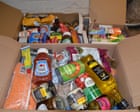
Brits Stockpile Essentials Following Government Emergency Guidelines

Government Launches Emergency Preparedness Campaign
The UK government has initiated an official campaign encouraging citizens to prepare for potential emergencies by maintaining emergency stockpiling supplies at home. This emergency stockpiling guidance represents a significant shift in how authorities are addressing potential disruptions to daily life, with recommendations focused on practical measures that households can implement immediately.
Authorities have specifically advised residents to accumulate three days' worth of essential supplies to address various crisis scenarios. The campaign reflects growing concerns about multiple threats including potential disruptions from external security incidents and the ongoing impacts of climate-related events affecting the nation.
What Residents Are Stockpiling
Following the government's emergency stockpiling recommendations, British households are assembling diverse collections of supplies. These preparations extend far beyond traditional notions of emergency kits, incorporating modern necessities alongside conventional survival items.
Common items being accumulated include tinned foods with extended shelf lives, bottled water for drinking and sanitation purposes, prescription medications and over-the-counter remedies, and increasingly, backup power banks to maintain device connectivity during outages. Additionally, households are securing toilet paper, dried goods including pasta and rice, and various non-perishable food products that form the foundation of emergency stockpiling strategies.
Technology-Focused Preparedness
The inclusion of power banks in emergency stockpiling lists reflects modern household concerns. With increasing reliance on mobile devices for emergency communications, navigation, and access to critical information, backup power sources have become essential components of contemporary preparedness plans.
Food and Water Security
Traditional emergency stockpiling items remain central to household preparations. Tinned goods, dried pasta, rice, and other shelf-stable foods provide nutritional security during disruptions, while bottled water addresses both drinking and sanitation requirements that may arise if water supply systems experience interruptions.
Motivations Behind the Stockpiling Movement
The government's emergency stockpiling initiative has been prompted by multiple interconnected concerns. Official sources have highlighted potential threats classified as Russian state-sponsored activities that could impact infrastructure stability and national security. Simultaneously, the escalating climate crisis presents ongoing risks of extreme weather events, flooding, and other environmental emergencies that could disrupt essential services including power supply and transportation networks.
These combined threats have motivated both government action and public response, with citizens recognizing the value of maintaining preparedness measures that extend beyond emergency stockpiling basic supplies to encompassing comprehensive household readiness strategies.
Public Response to Official Guidance
British residents have demonstrated varying levels of engagement with emergency stockpiling recommendations. Some households are considerably ahead of official guidelines, having already accumulated supplies exceeding the three-day minimum recommended by authorities. This proactive approach suggests growing recognition among the population regarding the importance of emergency preparedness planning.
Retailers have reported increased demand for emergency stockpiling staples, including tinned foods, bottled water, and preparedness-related products. This commercial response indicates broader societal acknowledgment of the government's emergency stockpiling campaign and its messaging about potential future disruptions.
Practical Implementation of Emergency Stockpiling Plans
Households interested in emergency stockpiling should focus on rotating supplies to maintain freshness while ensuring consistent availability of essential items. The government recommends organizing emergency stockpiling reserves in accessible locations and maintaining inventory lists to track expiration dates and supply levels.
Experts suggest that effective emergency stockpiling should balance three-day minimum requirements with extended supplies of critical items including medications and specialty foods for family members with dietary requirements or health conditions. This approach to emergency stockpiling ensures comprehensive preparedness while remaining manageable within typical household storage capacity.
Looking Forward: Emergency Preparedness in Uncertain Times
The government's emergency stockpiling campaign represents official recognition that contemporary threats require household-level preparedness planning. Whether addressing potential infrastructure disruptions, climate-related emergencies, or security concerns, emergency stockpiling provides households with tangible measures to enhance resilience and security.
As discussions continue regarding appropriate emergency stockpiling levels and optimal supply management strategies, British residents are increasingly viewing preparedness as a practical necessity rather than an excessive precaution. This cultural shift toward emergency stockpiling preparedness reflects genuine concerns about potential disruptions while empowering households to take proactive steps toward greater security and stability.