Antiparasitic Medications Fraudulently Marketed as Cancer Cures in Shocking Probe
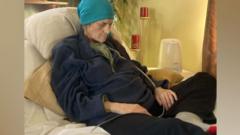
Fraudulent Cancer Treatment Scheme Exposed in Major Investigation
A comprehensive BBC investigation has uncovered a troubling pattern of antiparasitic drugs being deceptively marketed and sold to desperate patients as legitimate cancer treatments. The scheme preys on terminally-ill individuals and their families who are searching for alternative solutions to combat their disease, exploiting their vulnerability and hope during their most critical moments.
How the Deception Operates
According to the findings, salespeople with no medical credentials are approaching vulnerable cancer patients and promoting antiparasitic medications—drugs specifically designed to treat parasitic infections and skin conditions like scabies—as effective tumor-shrinking therapies. In one documented case, a terminally-ill patient was approached by a stair lift salesman who made unsubstantiated claims that these antiparasitic drugs could dramatically reduce tumors and provide relief from cancer symptoms.
The individuals perpetrating this scheme demonstrate a profound lack of ethical consideration for their targets. They intentionally misrepresent the pharmaceutical properties of deworming agents and scabies treatments, falsely claiming these medications possess anti-cancer properties that have never been scientifically validated. This predatory behavior takes advantage of the desperation that characterizes terminal illness, when patients and their loved ones are willing to explore unconventional options.
The Dangers of Unproven Treatments
Medical experts emphasize that using antiparasitic drugs as cancer treatments poses serious health risks. These medications are formulated for entirely different purposes and can cause harmful side effects when used outside their intended medical applications. Patients who abandon legitimate cancer therapies in favor of these fraudulent treatments may experience disease progression, delayed proper medical intervention, and deterioration of their overall health status.
Furthermore, the financial exploitation compounds the medical danger. Desperate patients and families are charged substantial sums for these worthless medications, draining resources that could otherwise be directed toward proven medical care, supportive services, or quality-of-life improvements during their remaining time.
Characteristics of This Medical Fraud
The investigation reveals several red flags that identify this antiparasitic drugs cancer fraud scheme. Perpetrators typically operate outside legitimate medical channels, often recruiting salespeople with backgrounds completely unrelated to healthcare. They make promises of tumor shrinkage without conducting any medical examinations or diagnostic testing. They also pressure patients to make rapid purchasing decisions and often discourage consultation with licensed oncologists or healthcare providers.
These false cancer cures are frequently promoted through informal networks, word-of-mouth recommendations, and direct personal contact rather than through regulated pharmaceutical or medical channels. The absence of scientific documentation, clinical trials, or medical licensing should immediately alert patients to the fraudulent nature of these offerings.
Protecting Vulnerable Patients
Healthcare advocates stress the importance of patient education and family vigilance. Individuals diagnosed with cancer and their loved ones should verify all treatment recommendations through licensed oncologists and established medical institutions. Any medication recommendation that comes from non-medical salespeople should be immediately questioned and discussed with qualified healthcare professionals.
Legitimate cancer treatments undergo rigorous testing, clinical trials, and regulatory approval before being prescribed to patients. These antiparasitic medications have never undergone such scrutiny for cancer applications because they have no legitimate anti-cancer properties. Patients should be skeptical of any treatment promoted outside traditional medical channels and should always seek second opinions from board-certified oncologists.
The Broader Issue of Medical Exploitation
This BBC investigation highlights a wider problem of vulnerable patients medical fraud that targets individuals at their most desperate moments. Terminal diagnoses create psychological vulnerability that scammers deliberately exploit. The inability to access proven treatments, combined with understandable desire to fight disease, makes cancer patients particularly susceptible to these deceptive schemes.
Regulatory agencies and medical authorities must work together to identify and shut down these fraudulent operations while simultaneously educating the public about the dangers of unproven treatments. Public awareness campaigns should emphasize that legitimate cancer therapies come through established medical institutions and licensed healthcare providers.
Moving Forward
The exposure of this antiparasitic drugs cancer fraud represents an important step in protecting vulnerable populations from exploitation. Patients and families must remain vigilant, always consulting with qualified medical professionals before considering any treatment options, regardless of how promising they may sound.


