Andy Burnham Launches Major UK Tour Tackling Cost of Living Crisis
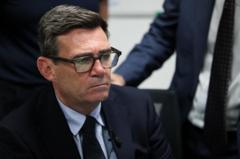
Andy Burnham Launches Nationwide Cost of Living Initiative
Andy Burnham is undertaking a significant Andy Burnham cost of living tour across the United Kingdom, focusing on the economic pressures facing households throughout the nation. This comprehensive initiative represents a major effort to address mounting concerns about household finances and living expenses affecting communities from Scotland to the South Coast.
The Labour party has positioned this campaign as a central plank of their commitment to delivering tangible economic relief. Officials from Number 10 have characterized the prime minister's associated plans as measures designed to "give people some room to breathe," emphasizing the government's intention to ease financial strain on ordinary citizens and families struggling with escalating costs.
Government Strategy and Objectives
The Andy Burnham cost of living tour forms part of a broader governmental strategy aimed at demonstrating responsiveness to public economic concerns. The initiative encompasses engagement with local communities, business leaders, and affected families to understand the specific challenges they face in their respective regions.
By undertaking this tour across diverse UK localities, Burnham seeks to gather firsthand insights into how cost of living pressures are affecting different sectors and demographics. This approach allows the Labour administration to tailor their response mechanisms and ensure that proposed solutions address genuine community needs rather than relying solely on centralized policy assumptions.
Opposition Criticism and Accusations
Despite the government's messaging around relief and support, opposition figures have voiced strong criticism of the initiative. Conservative and other parliamentary opponents have characterized the campaign as hypocritical, questioning whether the government's stated intentions align with their actual policy implementations and fiscal decisions.
Critics argue that Labour's previous statements and historical positions on economic matters create a disconnect with the current messaging around cost of living support. Opposition members have suggested that the tour represents more of a public relations exercise than a genuine commitment to substantive economic relief, particularly given the complexity of addressing systemic inflation and wage stagnation.
The Broader Cost of Living Context
The UK has experienced significant economic challenges in recent years, with households reporting increased difficulty in meeting essential expenses. Energy bills, food costs, transportation, and housing expenses have all contributed to a deteriorating cost of living situation affecting millions across the nation. This economic backdrop provides the context for Andy Burnham's tour and the government's broader policy response.
Inflation rates have impacted purchasing power, while wage growth in many sectors has failed to keep pace with rising expenses. These structural economic challenges have made the cost of living crisis a defining political issue, with all major parties attempting to articulate solutions and demonstrate their commitment to improving household finances.
Regional Impact and Community Engagement
The Andy Burnham cost of living tour is expected to visit multiple regions, allowing for direct engagement with communities experiencing distinct economic pressures. Urban areas, rural communities, and post-industrial regions may each face different manifestations of cost of living challenges, requiring tailored approaches and localized understanding.
Through this tour, the government aims to strengthen its political credibility on economic matters while simultaneously gathering data and anecdotal evidence that could inform future policy development. The initiative serves both a political and practical function, enabling direct communication between senior Labour figures and the public they represent.
Looking Forward
The success of Andy Burnham's cost of living tour will likely depend on whether the government can translate the tour's momentum into concrete policy outcomes that demonstrably improve household finances. Opposition accusations of hypocrisy will persist unless the administration can show clear alignment between campaign promises and legislative action.
As this initiative unfolds across the UK, the public's perception of Labour's commitment to addressing economic hardship will be shaped not only by the tour's rhetoric but by tangible measures implemented and their measurable impact on family budgets and quality of life across the nation.


