Advanced Microscope Technology Offers New Hope for Inflammatory Bowel Disease
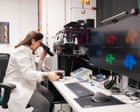
Groundbreaking Microscope Technology for Inflammatory Bowel Disease Research
A revolutionary microscope designed specifically to study inflammatory bowel disease represents a significant breakthrough in gastroenterology research. This cutting-edge technology, operating at unprecedented resolution levels, offers researchers unprecedented insights into the mechanisms underlying chronic bowel conditions that affect millions of people worldwide.
The advanced imaging system, known as 'Curie,' functions at 10 times the resolution of traditional microscopy techniques. This substantial improvement in optical capability could facilitate discoveries leading to novel therapeutic approaches for conditions that currently lack effective cures. Researchers anticipate that this enhanced visualization capacity will enable them to identify previously undetectable cellular and molecular processes contributing to disease development and progression.
Understanding the Scale of Inflammatory Bowel Disease
The prevalence of inflammatory bowel disease has reached alarming proportions, particularly among younger populations. According to the British Society of Gastroenterology, more than half a million individuals throughout the United Kingdom currently live with inflammatory bowel disease, representing a substantial public health challenge. This figure underscores the urgent need for innovative research approaches and improved treatment options.
Inflammatory bowel disease encompasses several distinct conditions, with Crohn's disease and ulcerative colitis representing the two primary forms affecting patients. Both conditions are characterized by chronic inflammation of the gastrointestinal tract, resulting in debilitating symptoms and significantly impacting quality of life. The incurable nature of these conditions necessitates ongoing research into their fundamental causes and potential therapeutic interventions.
Global Rising Trend in Young Patient Populations
Medical professionals have documented a concerning upward trend in inflammatory bowel disease diagnoses among younger individuals across multiple continents. This demographic shift has prompted increased attention from the scientific community and healthcare organizations seeking to understand why younger populations are experiencing these chronic conditions at higher rates. The societal and economic implications of this trend extend beyond individual patient suffering to affect healthcare systems and productivity levels globally.
How Advanced Microscopy Advances Medical Understanding
Traditional microscopy techniques have inherent limitations in their ability to visualize the cellular structures and biological processes involved in inflammatory bowel disease development. The 'Curie' microscope overcomes these technological constraints through its revolutionary design and enhanced optical systems. This superior resolution capability enables researchers to examine tissue samples and cellular interactions at levels of detail previously unattainable.
By observing bowel tissue architecture and cellular behavior at these magnified levels, scientists can identify specific biological mechanisms that trigger and perpetuate inflammation. Understanding these root causes represents the essential first step toward developing targeted therapeutic interventions that could potentially halt disease progression or induce remission in patients currently without effective treatment options.
Implications for Future Treatment Development
The potential applications of this advanced imaging technology extend far beyond basic research. As researchers utilize the 'Curie' microscope to uncover the underlying pathophysiology of inflammatory bowel disease, they anticipate identifying novel drug targets and therapeutic strategies. These discoveries could transform patient outcomes and quality of life for millions of individuals currently managing these debilitating conditions.
Medical institutions and research organizations worldwide are recognizing the significance of this technological advancement. The collaborative efforts between gastroenterological specialists, research scientists, and technology developers represent a coordinated approach to addressing one of modern medicine's persistent challenges. Investment in such innovative research tools demonstrates the healthcare community's commitment to finding solutions for patients with inflammatory bowel disease and other incurable gastrointestinal disorders.
The development and deployment of the 'Curie' microscope symbolizes the intersection of cutting-edge technology and medical necessity. As this powerful imaging system becomes integrated into research laboratories, the prospect of breakthrough discoveries in inflammatory bowel disease management moves closer to reality, offering renewed hope to patients and their families seeking effective treatments for these chronic conditions.